


How Loading Screens Became Part of the Digital Casino Experience
Loading screens were once little more than pauses between selecting a game and beginning to play, but they have gradually become part of the overall digital casino experience. Developers now use these brief intervals to introduce visual themes, display animations, share instructions, or set a game’s atmosphere before it starts. Platforms such as MahaGames operate in a digital environment where presentation and perceived responsiveness shape how users experience online entertainment. A well-designed loading screen can make waiting feel more purposeful, while clear progress indicators help users understand that a game is preparing to open. Exploring this evolution shows how even transitional interface elements can reinforce visual identity and shape expectations in modern digital casino design.

Why Visual Continuity Matters During Waiting Periods
A loading screen bridges the gap between the user’s decision to open a game and the moment interactive content becomes available. Without clear visual communication, this interval can feel like an unexplained delay, particularly when network conditions or device performance affect loading times. Designers can make the transition easier to understand by displaying recognizable imagery, progress indicators, or brief status messages. These elements communicate that the application is processing a request rather than appearing unresponsive. Consistent colors, typography, and visual themes can also help loading screens feel connected to the surrounding platform. They aren’t simply decorative; effective presentation can reduce uncertainty about what the software is doing.
How Branding Became Part of the Loading Experience
As online casino platforms developed distinct visual identities, loading screens became another place to reinforce their design language. Logos, game artwork, character illustrations, and themed environments can appear before the main interface becomes active. A game based on ancient mythology might display architectural imagery, while a retro-themed title could use pixel graphics and familiar arcade-inspired colors. These choices establish an initial impression before the user interacts with the game’s controls. Loading screens can also create consistency between promotional materials and the actual playing environment. However, this approach depends on restraint. Excessive animation or promotional content can make the wait feel longer, especially when the screen provides little information about the delay.
How Animation and Progress Indicators Shape Expectations
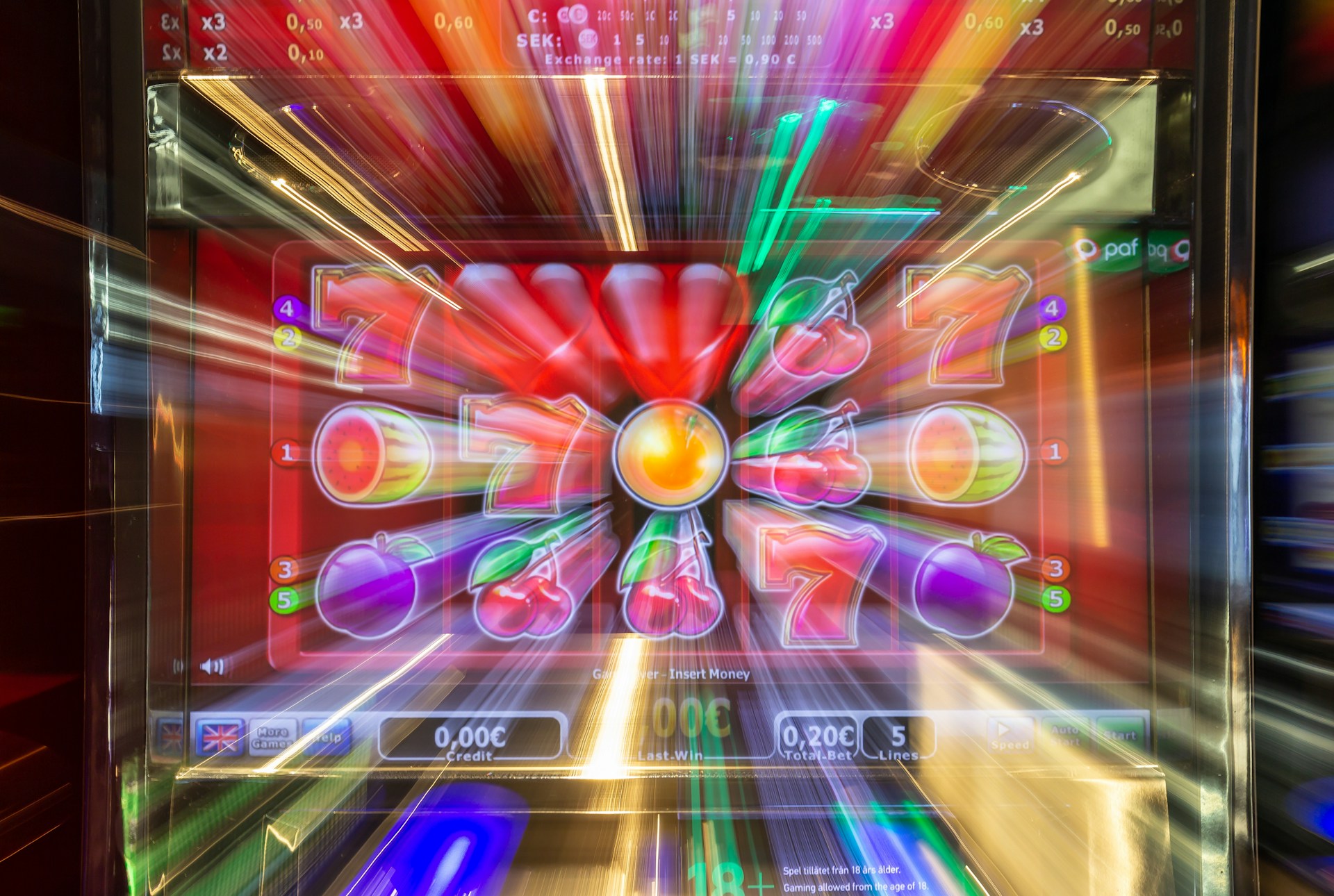
Animated loading screens use movement to communicate activity while the application prepares its content. Rotating symbols, moving illustrations, and changing visuals can make a static screen feel active. Progress indicators serve a different function by suggesting how much of the loading process remains. When the underlying system can measure progress accurately, a percentage or progress bar can provide useful information. When it cannot, an animated indicator may simply communicate that work is continuing. These distinctions matter because a visual estimate that repeatedly stalls or jumps can create confusion. Loading presentation works best when its signals reflect the application’s actual state and do not promise a completion time that the system cannot reliably predict.
Loading screens became part of the digital casino experience as developers recognized that waiting periods influence how users perceive an application. Branding, animation, progress indicators, and consistent visual themes turned a technical necessity into a more deliberate part of the interface. Their role extends beyond appearance because they can communicate system activity and reduce uncertainty during delays. However, attractive presentation cannot compensate for unnecessarily slow performance or misleading progress information. Effective loading screens balance visual continuity with accurate communication, helping the transition into a game feel understandable rather than disconnected from the rest of the digital experience.…
Read More